

News
Recognition of the land rights of indigenous forest communities in Cameroonian land reform
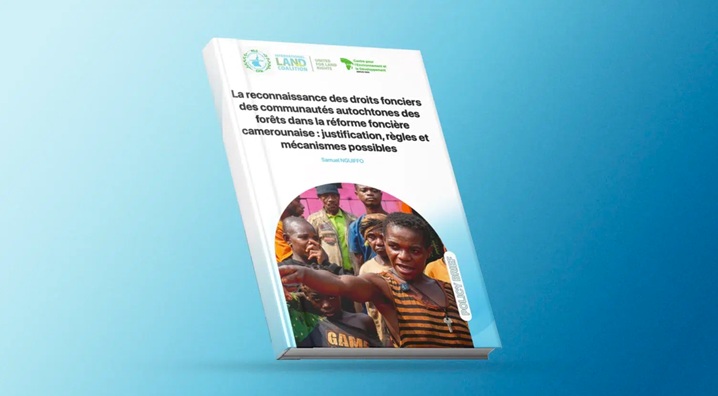
The policy brief was originally published by CED
CED’s policy brief on the recognition of Indigenous forest communities’ land rights in Cameroon’s land reform process examines the position of communities such as the Baka and Bagyeli, whose customary relationships with land and forests are not adequately reflected in the current legal framework. The brief considers mechanisms through which these rights could be formally recognised and secured as part of the ongoing land reform. This is relevant to financial institutions because land rights are a material component of environmental and social due diligence: where communities’ customary rights are not formally documented or recognised, investments and projects can face risks related to land disputes, displacement, inadequate consultation, compensation and impacts on livelihoods and cultural heritage.
For financial institutions, the issue is therefore not limited to whether a project has a formal land title or government authorisation. Due diligence may also need to consider customary and community rights that exist outside formal title systems, particularly where investments involve large-scale land acquisition, agriculture, forestry, mining or infrastructure. CED’s wider work on land reform highlights the need to recognise customary rights, strengthen community participation and apply human-rights due diligence to investments affecting land. These issues are directly relevant to assessing the legal, social and reputational risks associated with financed projects and to determining whether appropriate consultation, consent, mitigation and grievance mechanisms are in place.
See also the CED briefings on