

News
Launch of the Illustrated Field guide to Biodiversity Finance Narratives
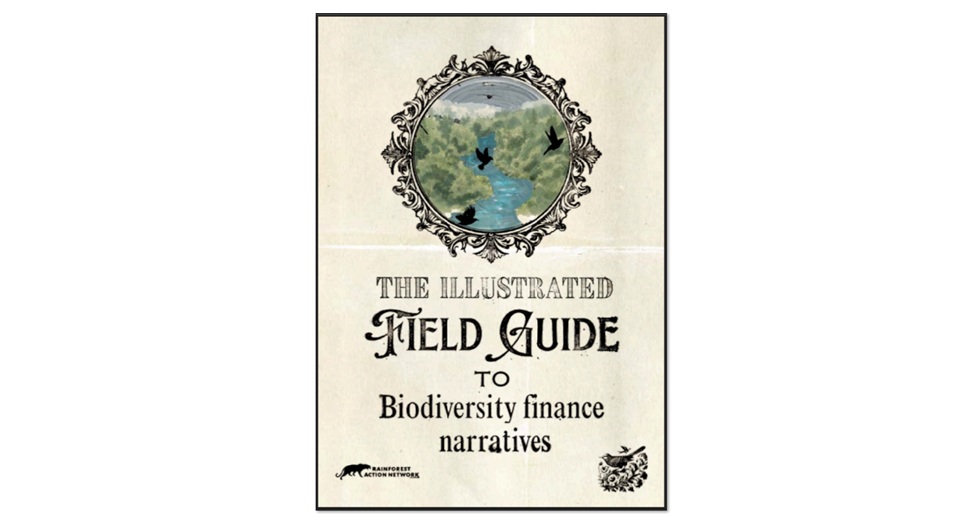
The global conversation about biodiversity finance is still too often framed around one question: how do we mobilize more money for nature? But that’s only part of the story. Equally important are the ideas and assumptions shaping that conversation and the questions that never get asked.
Across negotiations under the Convention on Biological Diversity (CBD), familiar narratives appear again and again. We hear that there’s “no public money.” That private capital is the only realistic solution. That better disclosure will naturally change markets. That biodiversity can be protected by making nature investable. That debt swaps, offsets and blended finance offer straightforward solutions.
Some of these approaches may have a role to play, while others remain deeply contested. What they share is the power to define the boundaries of biodiversity finance debates, potentially sidelining important voices and obscuring deeper questions about public policy, regulation, rights and accountability.
The challenge isn’t simply a shortage of money. It’s also the continued flow of far larger public and private financial resources into activities that drive deforestation, biodiversity loss, community vulnerability and rights abuses. Closing the biodiversity finance gap therefore requires more than mobilizing additional finance. It also requires changing the rules, incentives and institutions that shape how money already flows.
That’s why we developed The Illustrated Field Guide to Biodiversity Finance Narratives.
Designed as a field guide rather than a report, it introduces nine familiar “species” commonly encountered in biodiversity finance debates. From the Gap Warbler and Mobilization Magpie to the Disclosure Owl and Debt-Swap Kingfisher, each card explores why a narrative resonates, what it may obscure, and the questions policymakers should also be asking.
The guide asks not only how biodiversity can attract more finance, but how finance should better serve biodiversity and the people who protect it. It looks beyond individual instruments to the rules, incentives and institutions that determine what public and private finance is already funding. In doing so, it encourages a broader conversation about reducing harmful financial flows, strengthening public-interest institutions and financial regulation, supporting tax, debt and fiscal reforms, respecting Indigenous Peoples’ rights, and advancing gender-responsive governance. Together, these reforms are essential to achieving the goals of the Global Biodiversity Framework.
As governments prepare for the road to COP17 in Yerevan, Armenia, the quality of the conversation matters as much as the quantity of finance. We hope this guide becomes a practical companion for negotiators, policymakers, researchers, civil society, journalists and anyone interested in transforming the financial systems that shape the future of nature. Better questions can lead to better policy.